
Overexposed European Cities → Smarter Urban Alternatives
- Max Travel Abroad

- Feb 5
- 5 min read
Updated: Mar 13
Four European Icons — And what is Trending Instead
By Prof. Dr. Cindi H. Fries, Max Travel Abroad LLC

Europe’s most famous cities — Paris, Venice, Munich, and Rome — earned their reputations honestly. But equally iconic cities often exist just beyond the spotlight, offering comparable cultural significance, architectural beauty, and historical importance. The difference isn’t quality.
The difference is that crowd fatigue in heavily visited destinations can make it harder to experience the daily life that gives a city its soul. Cities like Vienna, Verona, Graz, and Salzburg offer equally significant cultural landmarks, historic architecture, and authentic European experiences — often with fewer crowds and more opportunity to connect with local traditions and daily life.
We chase famous places because they promise beauty, culture, and stories and are much older than our own country. And many of those places absolutely deliver. But over popularity changes how cities function. Streets become strangled corridors. Piazzas become crowded people watching areas. Museums become selfie stages. Travelers sometimes rush through moments they hoped to linger inside.
The truth is this: Europe’s iconic cities still matter deeply. They earned their reputations honestly.
But Europe is layered with other cities that are just as culturally significant and historically iconic in their own ways — places where traditions continue naturally and visitors can still experience local rhythms alongside residents.
For travelers planning small group tours, custom European itineraries, or independent travel, these alternative cities offer equally meaningful experiences — often with fewer crowds and more authentic daily life
Instead of Paris → Consider Vienna








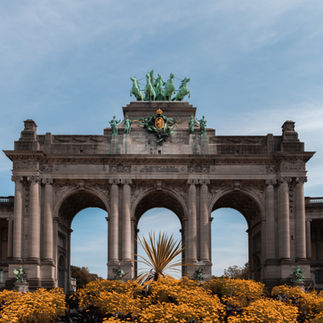
Paris shaped how the world imagines culture. Its museums, architecture, and intellectual heritage remain extraordinary and irreplaceable. The Louvre museum has become a symbol of so-called "over-tourism,"
Go to Vienna instead of Paris. Vienna carries that same imperial and artistic gravity — expressed through its own traditions, music heritage, and architectural legacy.
The difference is not cultural importance. Vienna simply unfolds at a pace that allows travelers to absorb it more fully. Palaces like Schönbrunn remain deeply integrated into neighborhood life. Beautiful Coffeehouses function as genuine social institutions with Instagram worthy interiors. The art scene, local foodie festivals, pop concerts, theater, opera, and speak easy bars make Vienna a popular
During winter, Vienna’s Christmas markets fill public squares with warmth and tradition. They feel rooted in the lives of Viennese civic life, rather than just for tourists.
Vienna is not a replacement for Paris. It is another European capital whose cultural influence stands proudly on its own — experienced in a different rhythm.
Instead of Rome → Consider Verona, Italy


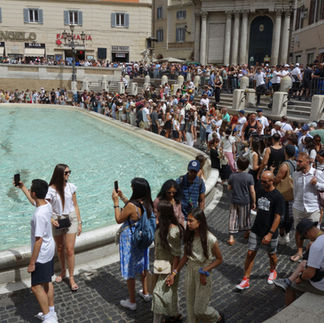

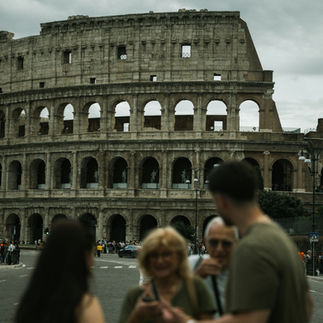




Rome overwhelms with scale. The Colosseum, the Forum, and the layers of empire feel almost impossibly grand — history presented at full volume. But that same scale often means navigating crowds, reservations, and carefully timed entry windows that can turn exploration into logistics.
Verona tells another Roman story — one that is equally historic, deeply iconic, and still fully woven into daily Italian life.
The Arena di Verona, built in the first century, remains one of the best-preserved Roman amphitheaters in existence. Unlike many ancient monuments that function primarily as archaeological sites, Verona’s arena still hosts open-air opera performances where visitors sit on original Roman stone seating while music fills the night sky. It is one of the rare places where Roman engineering and contemporary cultural life merge seamlessly.
Beyond its Roman heritage, Verona carries centuries of layered Italian History— medieval towers, Renaissance piazzas, and the enduring literary mythology tied to Shakespeare’s Romeo and Juliet. The city embraces its romantic legacy while maintaining a lived-in rhythm that allows travelers to experience history without constant crowd navigation.
Rome remains civilization’s grand stage. Verona offers a place where Roman history still performs.
Both cities are essential chapters of Europe’s cultural story — experienced through very different scales and atmospheres.
Instead of Munich → Graz, Austria

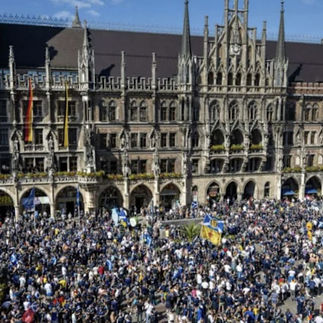



Skip Munich. Visit Graz Instead.
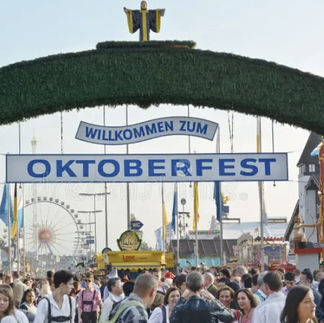
Munich gets most of the attention in southern Germany and Austria. It’s famous for beer halls, Oktoberfest, and grand Bavarian architecture—but that popularity also means large crowds and rising prices.
Just a few hours away in southern Austria lies Graz, a city that feels just as historic but far more relaxed.
Graz is Austria’s second-largest city and the capital of the Styria region. Despite its size, it remains one of Central Europe’s most overlooked destinations. Its historic center—filled with Renaissance courtyards, Baroque palaces, and terracotta rooftops—is a UNESCO World Heritage site.
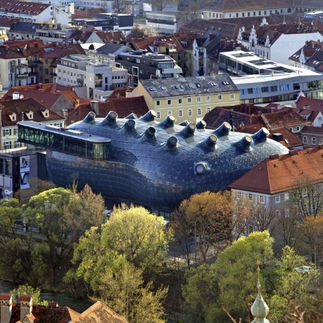
What makes Graz special is its balance between old and new. Medieval landmarks sit next to bold modern architecture like the futuristic Kunsthaus Graz museum, while lively farmers’ markets and cafés keep the city feeling young and vibrant.
Climb the hill of Schlossberg, the former fortress that rises above the city, for sweeping views over the red-roofed old town. The park at the top is now filled with cafés, gardens, and historic structures like the iconic clock tower.
Just oustide of Graz, the vineyard-covered hills of southern Styria are dotted with traditional Buschenschank wine taverns—simple family-run establishments where locals gather to drink the year’s wine, share platters of regional specialties, and linger over sweeping views of the countryside
Unlike Munich, Graz feels walkable, layered, local, and authentic. It’s the kind of place where you can wander quiet medieval streets in the morning, explore museums in the afternoon, and spend the evening enjoying Styrian food and wine in a lively square.
Instead of Venice → Consider Salzburg, Austria










Venice is one of Europe’s most visually unforgettable cities. Its canals, palaces, and luminous architecture feel almost impossible to separate from the idea of romance itself. But Venice also lives under the weight of its own fame. The beauty is real — and so are the dense crowds, rising visitor pressure, and the sense that the city is often being consumed faster than it can be experienced.
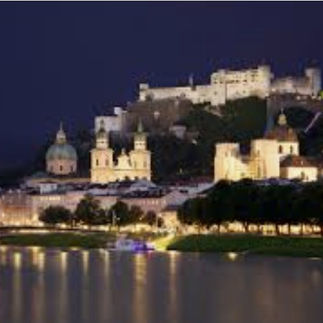
Go to Salzburg instead of Venice. Salzburg carries that same sense of visual drama and old-world splendor, but in a form that still feels breathable. Baroque domes, church spires, fortress walls, river views, and elegant historic streets create a cityscape that feels theatrical without feeling overrun. Salzburg’s UNESCO-listed historic center is one of the best-preserved urban ensembles north of the Alps, and its prince-archbishops intentionally shaped it with Italian and Roman Baroque influence — a reason it is often called the “Rome of the North.”
The difference is not beauty. It is how that beauty is encountered. In Salzburg, monumental architecture is still woven into a city that can be walked, absorbed, and enjoyed at a human pace. Church squares still feel like civic spaces. Cafés still invite lingering. Music, markets, fortress views, and everyday Austrian life remain part of the city’s rhythm rather than staged only for tourism. Just beyond the city, the surrounding landscape opens into alpine scenery, lakes, and easy day trips that deepen the experience.
Venice remains one of Europe’s great masterpieces. Salzburg offers another kind of grandeur — more grounded, more spacious, and no less memorable.


Comments